Understanding Roofing Warranties: Avoid Common Pitfalls Mar 14, 2026
Firstly, it's important to distinguish between two main types of warranties: the manufacturer's warranty and the contractor's workmanship warranty. Manufacturer warranties cover defects in roofing materials. For example, if your shingles are found to be defective and cause roof leaks, this type of warranty should cover material replacement costs. On the other hand, a contractor’s workmanship warranty covers installation errors. If your roof was improperly installed, this warranty should cover any necessary repair work.
Now, let's delve into the crucial aspects of these warranties to help you maximize their benefits. One common pitfall is ignoring the fine print in a warranty agreement. Roofing warranties often come with stipulations that can void your coverage if certain conditions aren't met. For instance, some warranties require routine maintenance and inspections to stay valid. Regular maintenance not only ensures your warranty remains intact but also prolongs the lifespan of your roof.
Another key factor to consider is ensuring that the warranty you receive is comprehensive. Some warranties may only cover material defects but not labor costs, leaving you responsible for potentially significant expenses. It's vital to read the warranty details carefully and ask your roofing contractor to clarify any ambiguous terms before you sign. At Liberty Roofing Contractors, we recommend having a thorough discussion about warranty terms during your roofing consultation.
Additionally, you should verify the period your warranty covers. Manufacturer warranties can vary widely, with some offering 20 years or more, while others may have shorter terms. It's essential to match the warranty term with your long-term needs. Remember, a robust warranty should protect you against most common issues for an extended period.
Transferrable warranties are another important feature to consider. If you sell your home, a transferable warranty may add value by providing the new owner with the same coverages you enjoyed. Not only does this become a selling point, but it also provides the buyer peace of mind knowing their purchase is protected.
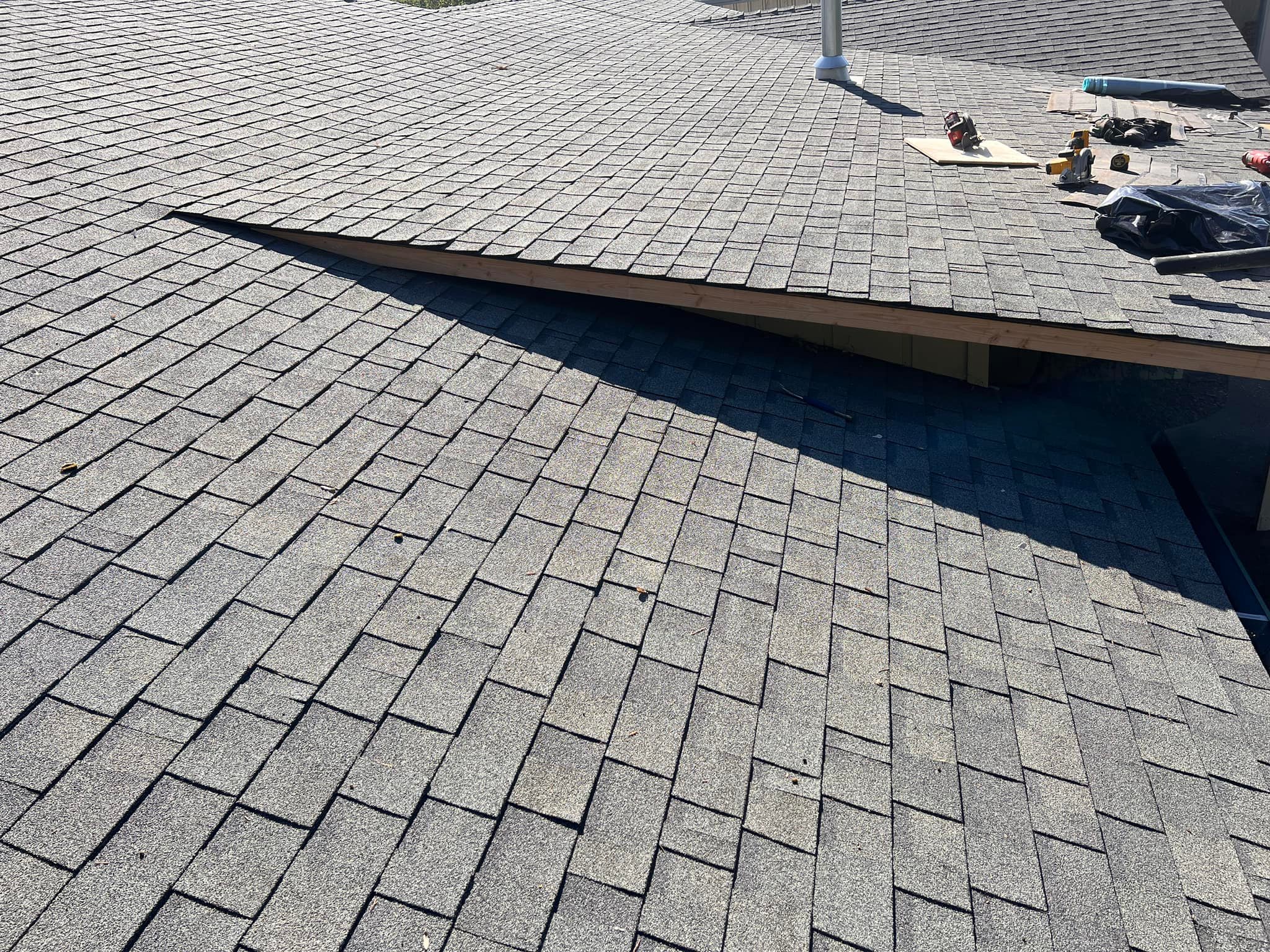
One common oversight is neglecting to document any installation problems or materials issues immediately. If you notice something isn’t right, documentation is key. Keep thorough records of all your maintenance activities, including dates, details of inspections, and any communications with your roofing contractor. This record becomes invaluable if you need to file a warranty claim.
In conclusion, understanding the intricacies of roofing warranties is an essential step in protecting your investment. Ensuring you have both a strong manufacturer's warranty and a contractor's workmanship warranty can save you from unforeseen expenses and stress. At Liberty Roofing Contractors, we are committed to untangling the complexities of warranties for our customers and ensuring your peace of mind with reliable and high-quality roofing services. Always feel free to consult us for clarity on your warranty terms and conditions. In doing so, you're taking proactive steps to ensure your roof continues serving you efficiently for years to come.
/filters:no_upscale()/filters:format(webp)/media/75a2c044-180b-4f07-8197-04377580989f.png)
/filters:no_upscale()/filters:format(webp)/media/144ef7a1-8d0f-4d5b-9457-65787ff28f78.jpeg)